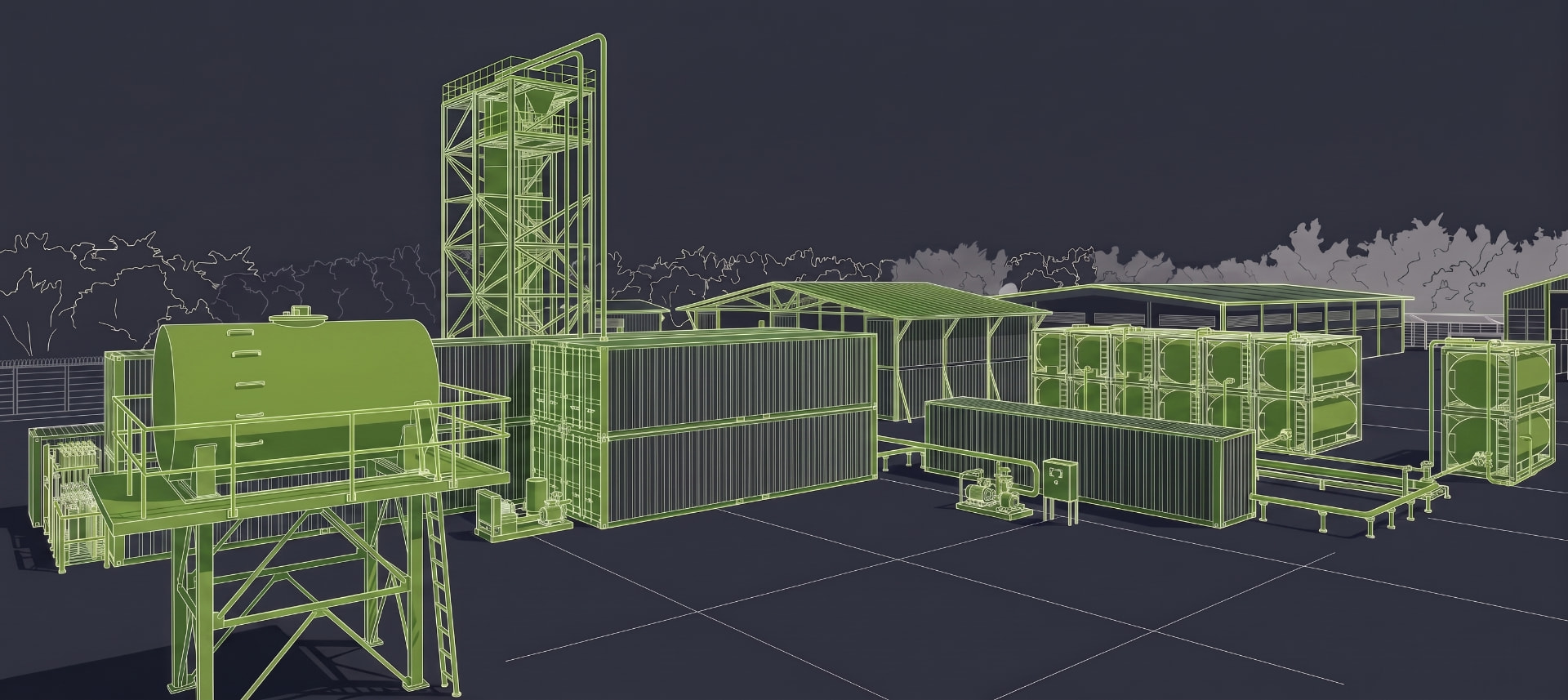
Blue Systems modular waste-to-energy facility illustration
Circular Economy for Vietnam
Blue Systems

From Vietnam's Municipal & Agricultural Waste to Clean Energy

Tackling Vietnam’s municipal waste, single-use plastics and agricultural residues — from overflowing landfills and river dumping to crop burning and discarded biomass — by converting carbon-containing waste into valuable GreenSynGas™, electricity, and mineral fertilizer through modular, net carbon-neutral technology.

The Urgency

Vietnam's Municipal & Agricultural Waste Crisis

Vietnam faces interconnected waste challenges: growing municipal waste and plastic pollution, open burning of crop residues, untreated farm waste, and underdeveloped collection and recycling systems.

Municipal Waste & Plastics

Volume, Sorting & Landfills

  • Massive Volume & Plastic Dominance: Vietnam generates tens of thousands of tons of domestic solid waste daily, including roughly 1.8–2.5 million tons of plastic waste a year, placing it among the top global contributors to ocean plastic pollution.
  • Lack of Source Segregation: Most households do not separate organic, paper and plastic waste. Mixing trash in a single bag contaminates recyclables, making them too dirty or costly to process.
  • Over-reliance on Unhygienic Landfills: Around 85% of generated waste is buried in landfills, and the vast majority of these sites lack proper lining or pollution controls.

Collection & Recycling Failures

  • Inadequate Rural & Urban Infrastructure: While major cities have organized collection, rural and suburban areas often lack formal services, so residents burn garbage or dump it into rivers and streams that flow into the sea.
  • Toxic Informal Recycling: Much recycling relies on an informal sector and craft villages such as Minh Khai, using open-air methods that release toxic fumes, dioxins and untreated wastewater, causing severe health risks for workers.
  • Low Recycling Rates: Only roughly 10%–27% of waste, depending on the material stream, is effectively recycled, leading to billions of dollars in lost economic value.

Agricultural Waste

Open Burning of Crop Residues
  • Rice Straw Burning: Crop residues, particularly rice straw in the Mekong and Red River Deltas, are often burned in open fields to clear land before the next planting cycle.
  • Air Pollution & Health: Burning releases fine particulate matter (PM₂.₅), CO₂ and toxic gases. Harvest-season smoke degrades rural and urban air quality and can reduce visibility near Hanoi’s Nội Bài Airport.
  • Why Burning Persists: Smallholder farmers see burning as a quick, cheap way to clear wet residues and control pests. Fragmented plots make machinery access and straw collection difficult.
Livestock & Aquaculture Waste
  • Limited Treatment Systems: Many small-to-medium pig and poultry farms and aquaculture operations lack modern, closed-loop waste treatment systems.
  • Water Pollution & Pathogens: Untreated manure and wastewater enter canals, rivers and ponds, causing nutrient overload, oxygen depletion and the spread of pathogens.
  • Methane Emissions: Unmanaged manure storage and liquid lagoons release methane, adding to Vietnam’s greenhouse gas emissions.
Agricultural Recycling Barriers
  • Valuable Byproducts: Rice straw, corn stalks and bagasse can support mushroom cultivation, animal feed, organic fertilizer and biomass energy.
  • Collection & Transport Costs: Biomass is bulky, seasonal and costly to transport relative to its low market value, making collection and delivery inefficient.
  • Underdeveloped Supply Chains: Reliable, profitable links between farms and biomass or composting plants remain limited, leaving valuable residues discarded or left to rot.

Solution & Process

From Waste to Green Fuel & Value Commodities

Patented, innovative modular technology transforming Vietnam's mixed municipal waste, plastics and biomass into a valuable circular resource.

Feedstock

Comprehensive Input

Unsorted household waste, plastics, agricultural residues (rice straw, husks), municipal solid waste, and industrial biomass — anything carbonaceous.

Prep

Separation & Shredding

Metals, glass, and inert materials are removed. The remaining organic and plastic fractions are shredded and prepped.

Reforming

Steam Reforming

Hydrocarbons react with steam at 700–1000°C using flameless burners, producing clean syngas without toxic emissions.

Products

GreenSynGas™ & Fertilizer

Outputs GreenSynGas™, hydrogen, mineral fertilizer, and distilled water. Part of the output self-sustains the reformer unit.

Municipal & Agricultural Waste

Process Flow Calculator

10 Tonnes

Potential GreenSynGas™ Value

US$4,000

Estimated CO₂ Prevented

18.5 Tonnes

Illustrative estimates based on US$400 per processed tonne of Municipal & Agricultural waste and 1.85 tonnes of avoided CO₂ per tonne. Actual yields, energy value, and emissions reductions depend on feedstock and project conditions; these are not guaranteed returns.

BlueSystems® Configurations

Engineered for Any Scale

From rural communes without formal collection to major municipal clusters handling Hanoi and Ho Chi Minh City's urban waste streams.

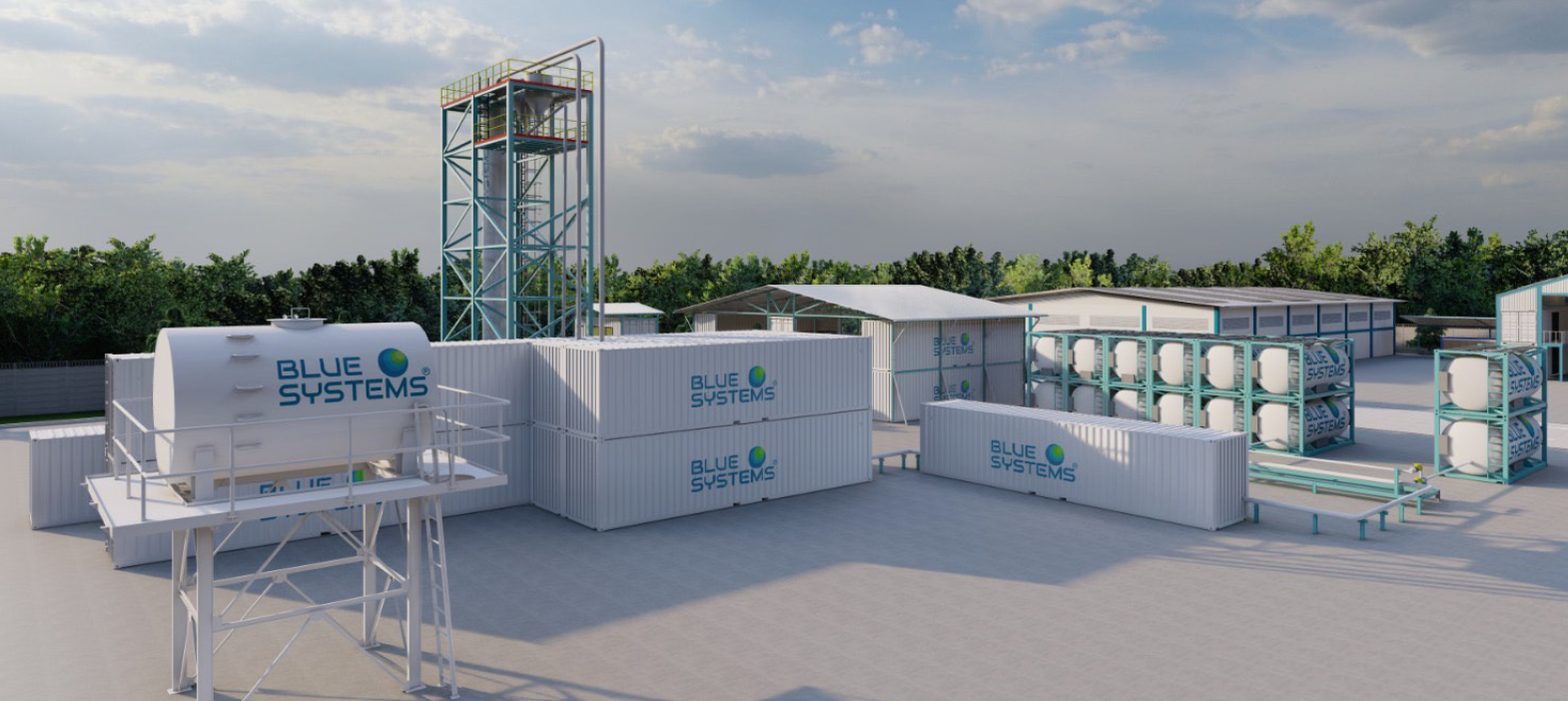
Blue Systems modular waste-to-energy plant

BlueSystems 50 Tonne Per Day Modules

Space Requirement: A 50-tonne per day processing plant requires approximately 1 acre (roughly the size of a football pitch).

Gas Offtake & Blending: The GreenSynGas™ we produce can be injected into conventional gas pipelines, blended at 10–15% with natural gas, and utilized within existing infrastructure for power generation.

Plant Location: While proximity to either the waste feedstock source or the power user is advantageous, it is not strictly essential.

Energy Conversion Support: If your project requires assistance with energy conversion, we can fully support you with that as well.

Advantages

Built for Performance, Flexibility & Impact

Intelligent Operating System

Containerized control room with remote monitoring and internet-enabled diagnostics.

Faster Deployment

Prefabricated modular units ensure rapid on-site assembly and shorter project timelines. Deployment from start to operational within 12 months.

Zero-Flame, Low Emission

Advanced flameless burners eliminate toxic incineration emissions and landfill methane.

Stops Burning & River Dumping

Gives rural communities an alternative to burning garbage or dumping it into rivers that flow to the sea.

Local Value Creation

Turns waste disposal costs into revenue streams via green energy, distilled water, and mineral fertilizer.

Certified Quality Standards

Engineered to strict ISO standards with independent third-party inspection (DNV/TÜV).

Get in Touch

Ready to Transform Vietnam's Waste Challenge?

Partner with us to deploy modular waste-to-energy and hydrogen solutions across municipalities, industrial zones, and craft villages and communes across Vietnam.